
Saunas are a wonderful way to relax, detoxify, and boost your overall wellness—but using them correctly is key to maximizing benefits and avoiding discomfort or health risks. Whether you own a custom home sauna, use a commercial sauna at a spa or gym, or are new to the sauna experience, these essential guidelines will help you enjoy every session safely and responsibly.
Before Entering the Sauna
- Hydrate First: Drink 16-24 ounces of water (or electrolyte-rich fluid) 30-60 minutes before your sauna session. Saunas cause heavy sweating, which can lead to dehydration if you’re not properly hydrated beforehand. Avoid caffeine, alcohol, or sugary drinks—these can dehydrate you faster.
- Don’t Eat a Heavy Meal: Never enter a sauna on a full stomach. Wait 1-2 hours after eating a large meal, or 30 minutes after a light snack. A full stomach can cause discomfort, dizziness, or nausea when exposed to high heat.
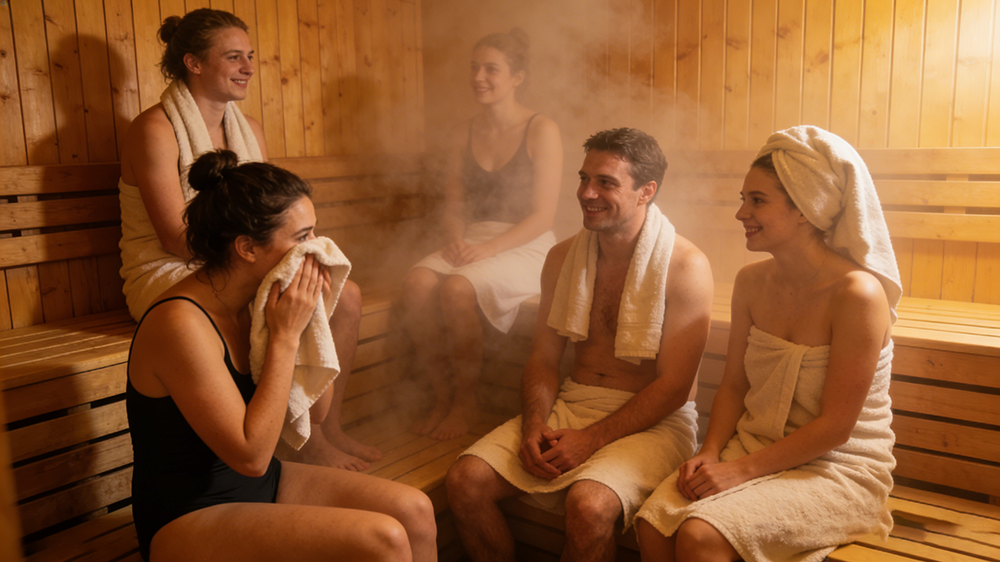
- Dress Appropriately: Wear loose, breathable clothing (such as a cotton towel, swimsuit, or sauna wrap) to allow sweat to evaporate. Avoid tight, synthetic fabrics that trap heat and moisture. Many people prefer to use a towel to sit or lie on to protect the sauna wood and maintain hygiene.
- Check the Temperature: Adjust the sauna temperature to a comfortable level—typically between 160°F (71°C) and 190°F (88°C) for traditional saunas, and 120°F (49°C) to 150°F (66°C) for infrared saunas. If you’re new to saunas, start with a lower temperature and gradually increase it as your body adjusts.
- Remove Jewelry & Accessories: Take off metal jewelry (rings, necklaces, bracelets), watches, and glasses. High heat can cause metal to become hot and burn your skin, and can also damage jewelry or optical lenses.
During Your Sauna Session
- Limit Session Time: For beginners, keep sessions to 10-15 minutes. As you become more accustomed to the heat, you can extend sessions to 20-30 minutes, but never exceed 45 minutes in a single session. Longer sessions increase the risk of dehydration, overheating, and dizziness.
- Listen to Your Body: Your body will tell you when it’s time to take a break. Stop immediately if you feel dizzy, lightheaded, nauseous, short of breath, or have a headache. These are signs of overheating or dehydration—step out, cool down, and drink water.
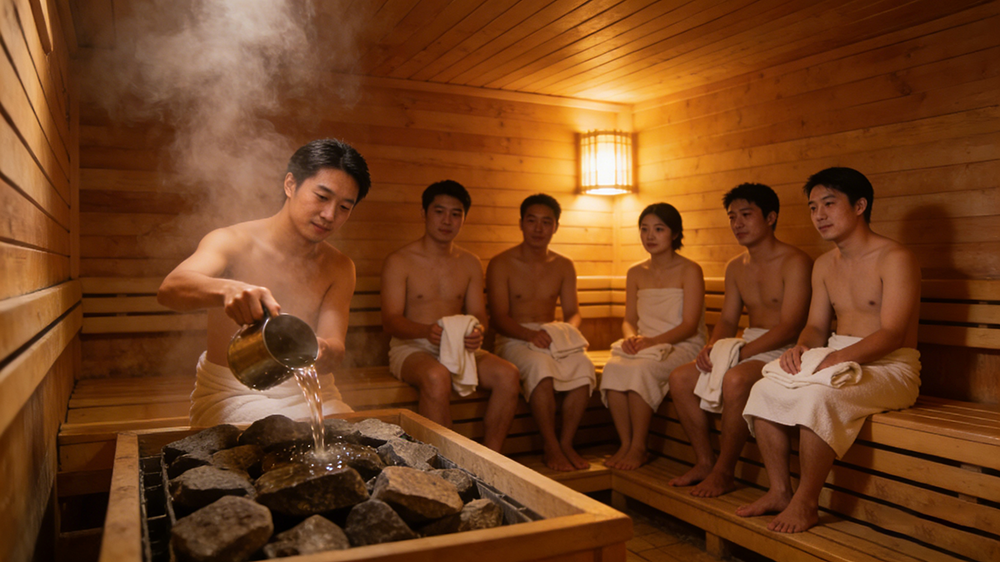
- Avoid Overheating: Sit or lie down to reduce strain on your body. If the heat feels too intense, move to a cooler area of the sauna (near the door or lower bench) or open the door slightly to let in fresh air. Never pour water on the heating element (in traditional saunas) more than once or twice per session—excess steam can raise the temperature too quickly.
- Maintain Hygiene: Sit on a clean towel to prevent sweat from directly contacting the sauna surfaces. Avoid touching your face or eyes with sweaty hands, and do not share towels or personal items with others in a public sauna.
- Don’t Use Sauna Alone (When Possible): If you’re using a home sauna, let someone know you’re using it and set a timer. This is especially important for older adults, individuals with health conditions, or those new to saunas.
After Your Sauna Session
- Cool Down Gradually: Do not jump into cold water (like a pool or cold shower) immediately after a hot sauna session—this can cause a sudden drop in blood pressure and lead to dizziness or fainting. Instead, cool down slowly by sitting in a cool, well-ventilated area for 5-10 minutes, then take a lukewarm shower.
- Rehydrate Immediately: Drink plenty of water, electrolyte water, or coconut water to replace fluids lost through sweating. Avoid alcohol, caffeine, or sugary drinks, as they will not effectively rehydrate you.
- Rest and Relax: Allow your body to recover after the sauna. Rest for 15-30 minutes before engaging in physical activity or going outside, especially in cold weather. This helps your body regulate its temperature and heart rate.
- Clean the Sauna (If It’s Yours): Wipe down the sauna benches, walls, and floor with a clean towel after use to remove sweat and prevent the growth of bacteria or mold. For wooden saunas (such as those made with Canadian Red Cedar or Hemlock), avoid harsh cleaning products—use a damp towel or mild, natural cleaner.
Special Precautions for Specific Groups
- Pregnant Women: Pregnant women (especially in the first and third trimesters) should avoid saunas, as high heat can increase the risk of overheating and harm the fetus. Consult a doctor before using a sauna if you are pregnant.
- Children & Teens: Children under 12 should not use saunas, as their bodies are still developing and cannot regulate temperature as effectively as adults. Teens aged 12-17 can use saunas under adult supervision, with sessions limited to 5-10 minutes at a lower temperature.
- Older Adults: Older adults may have reduced heat tolerance and are more prone to dehydration. They should use saunas with caution, start with short sessions, and always have someone nearby. Consult a doctor if they have underlying health conditions.
- Individuals with Health Conditions: If you have heart disease, high blood pressure, diabetes, skin conditions (such as eczema or psoriasis), respiratory issues, or are recovering from surgery, consult a doctor before using a sauna. Some conditions may be exacerbated by high heat or sweating.
- People Taking Medications: Certain medications (such as blood pressure medications, diuretics, or antidepressants) can affect your body’s ability to regulate temperature or hydration. Check with your doctor before using a sauna if you are on any medications.
Additional Sauna Maintenance Tips
To keep your sauna safe and in good condition: Clean the sauna regularly (as mentioned above), ensure proper ventilation to prevent moisture buildup, check the heating element and controls regularly for malfunctions, and replace any damaged wood or parts promptly. For custom saunas, follow the manufacturer’s maintenance guidelines to preserve the quality and lifespan of your unit.
By following these simple tips, you can enjoy the many benefits of saunas—relaxation, detoxification, and improved wellness—while keeping yourself safe and comfortable. Whether you’re using a home custom sauna or a commercial one, responsible use is the key to a positive sauna experience.